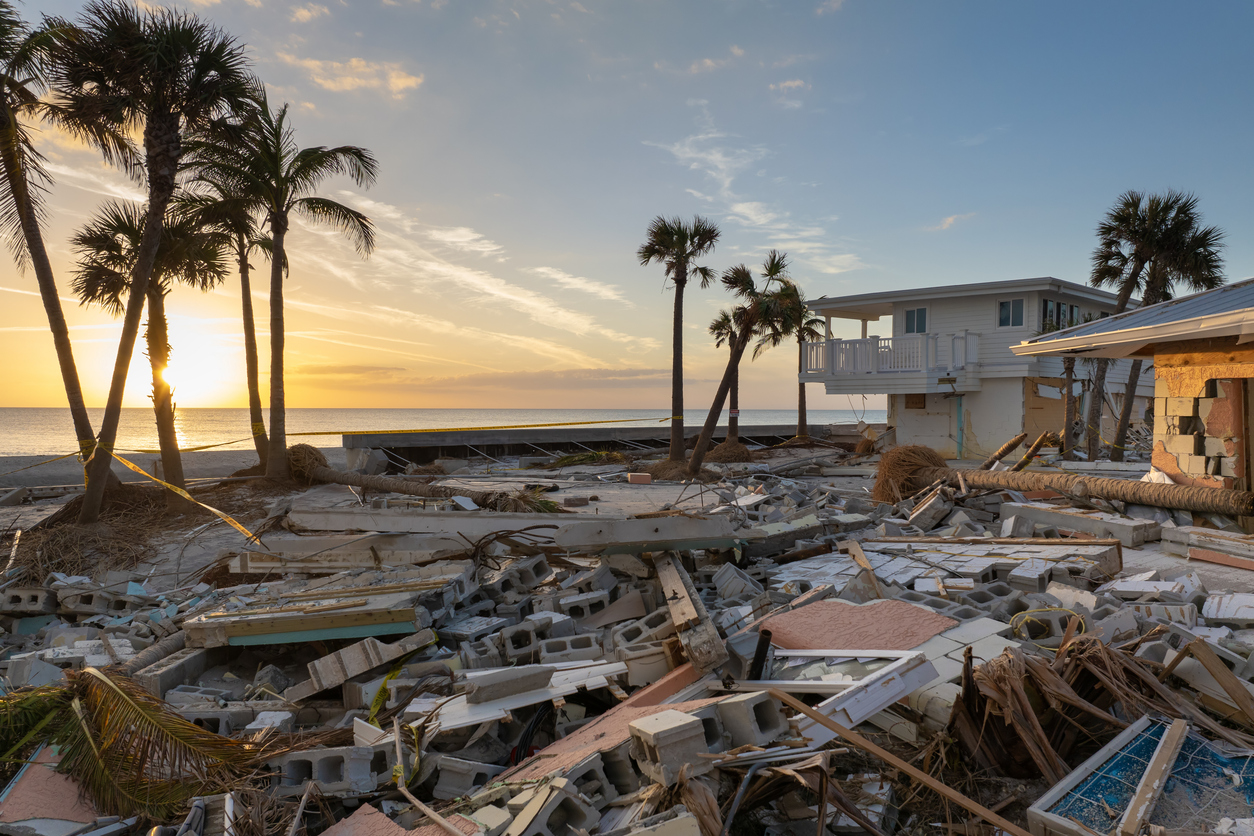
Major catastrophes leave behind more than storm damage: they create fertile ground for opportunistic claims. When a carrier becomes insolvent in the aftermath, the resulting claim inventory often becomes a magnet for inflated estimates. Guaranty associations inherit these claims with limited context and a mandate to separate legitimate losses from dishonest ones. That’s the environment Delta Group operates in, serving as SIU for a state insurance guaranty association on its post-hurricane property claim inventory.
Delta Group applies a consistent investigative standard across the Guaranty’s post-catastrophe claim inventory: verifying chain of title and ownership relationships, cross-referencing public adjuster and
contractor estimate patterns across multiple claims and insureds, checking licensing status of adjusters submitting estimates, and flagging timing anomalies between date of loss, notice of loss, and estimate submission. Where the facts support it, Delta Group prepares and files the fraud referral directly with the state fraud bureau on the client’s behalf.
The Anomalies Add Up
One case in particular illustrates the pattern Delta Group’s team has learned to recognize. The claim didn’t look like much on the surface, a property loss tied to hurricane wind and water damage. But the timeline told a different story. Nearly two years passed between the date of loss and the date the loss was actually reported, an unusually long gap that raised an immediate flag.
As the file developed, the numbers began drifting as well. A public adjuster’s estimate climbed from roughly $79,000 to over $214,000 between submissions, a jump with no clear damage-based justification. Meanwhile, the same adjuster continued submitting estimates on the claim well after his state license lapsed. When Delta Group compared the demand against an independent building consultant’s estimate, the two figures weren’t close: the consultant’s number came in at a fraction of what was being claimed.
The Work Behind the Finding
Patterns like this rarely announce themselves. They surface only through methodical file review: tracing ownership history, rebuilding claim timelines, and isolating the exhibits that matter from those that don’t. In this case, that process meant working through more than 500 files from the claim system to piece together a documented pattern. It wasn’t a single red flag, but several converging: a suspicious reporting delay, an unexplained estimate escalation, and a licensing violation, all attached to the same claim. With findings that met the threshold for regulatory action, a formal fraud referral was filed with the state Department of Insurance, Office of Insurance Fraud.
What This Case Illustrates
Individually, none of these signals would have been conclusive. A reporting delay can have a legitimate explanation. Estimates change as damage assessments evolve. Licenses lapse for administrative reasons. It’s the convergence, multiple anomalies attached to the same claim, that turns a routine file into one worth referring. That’s the core discipline of SIU work in post-hurricane environments: not chasing any single red flag, but building the kind of documented,
exhibit-backed pattern that can withstand regulatory scrutiny.


%20(1).webp)